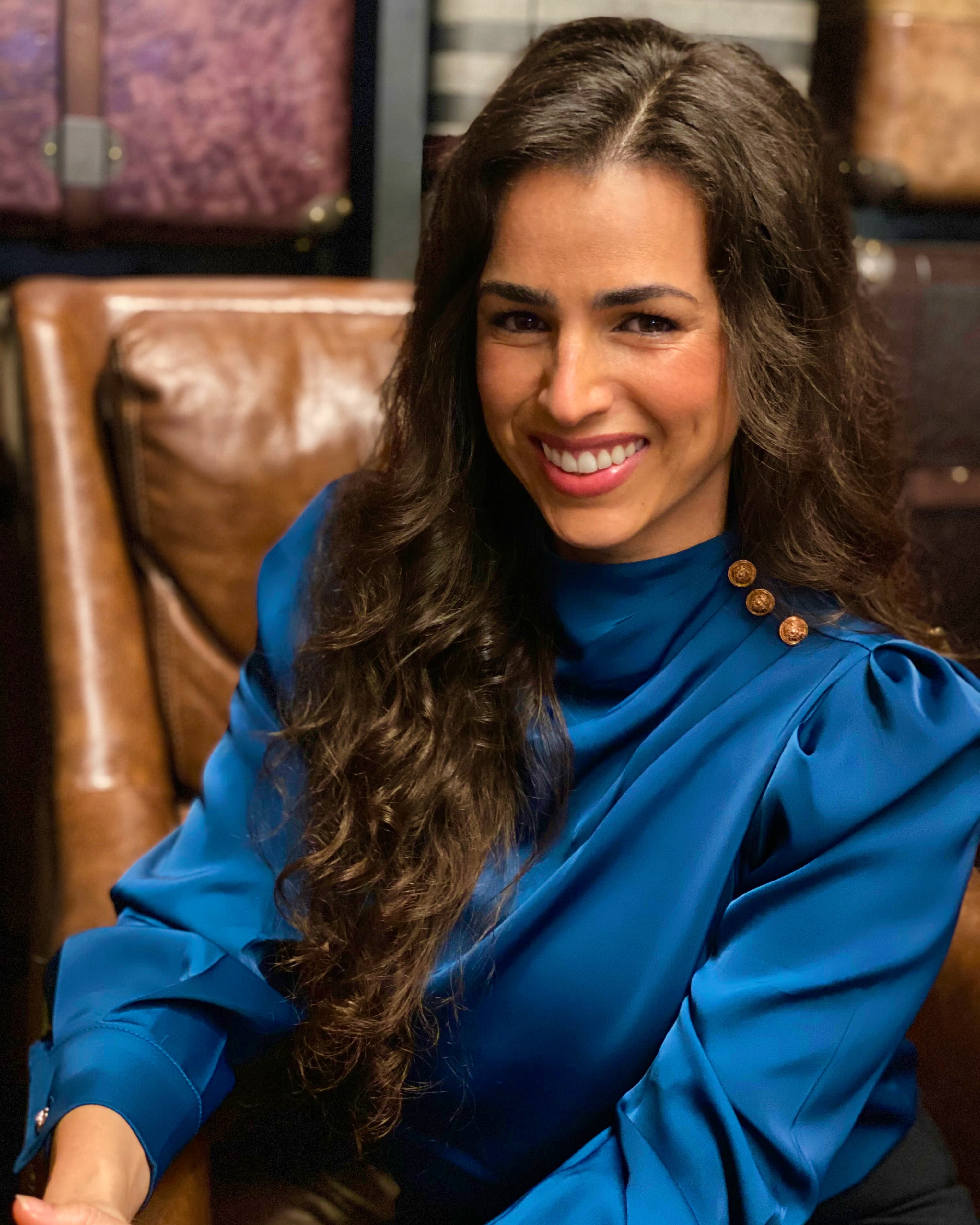
At the 15th annual 2026 Sweeper Summit, Rachel Llanes isn't coming to talk about operations, equipment or industry strategy. She's coming to focus on something more fundamental: how leaders work with people.
As founder of The Gardin Group, Llanes will lead an afternoon interactive workshop designed to help individuals improve how they interact with people – at work, in their lives, and at home. The focus is straightforward but often overlooked: communication, motivation, and the human dynamics that sit beneath every connection.
Leadership Beyond Operations
"I'm going to talk about what leadership done right looks like," she says. "There are five key ingredients to being an elite level leader. Most do two or three well, but the others very often are not even on their radar."
Llanes works across a wide range of industries, but the patterns she sees are consistent. As businesses grow, the demands placed on leaders shift quickly, often without the training or support to match.
At the core, she says, those challenges are not specific to any one industry.
What Elite Leadership Looks Like
"We are all a leader of at least ourselves," she says. "The soul of every one of my workshops is about the basic psychological needs we all have. Even if someone is a sole operator, these principles apply to them flourishing as a human."
Patterns That Hold Teams Back
Across teams that are struggling, Llanes sees familiar patterns.
"A lot of mind reading. A lot of jumping to conclusions," she says. "A lot of counterproductive venting. Misplaced feedback."
There is also what she describes as "impression management," where individuals feel pressure to present a certain version of themselves that's not necessarily genuine.
"That reduces the authenticity you bring to the workplace," she says. "And the reason that's problematic is it takes a lot of energy to hide our true selves - and that energy could be used in other areas."
Over time, that dynamic creates what she calls "artificial harmony," where conflict is avoided but underlying issues remain unresolved. The result is a slow erosion of trust, communication and performance.
When Companies Scale, Culture Fractures
As companies grow, those challenges often become more pronounced.
"As companies scale, I find the closeness is what is compromised," Llanes says. "The culture that led to the success of growth often fractures as new team members join and workload increases."
Leaders, she notes, tend to shift their focus toward output - what needs to get done - at the expense of the environment in which that work happens.
"When there's a hyper fixation on task versus team culture, team cohesion erodes," she says.
Profit Is Powered by People
What separates leaders who are able to grow their teams from those who remain stuck in the day-to-day is not technical expertise. It's perspective.
"The differentiating factor is when leaders understand that profit is powered by people," Llanes says. "Investing in people is investing in your business."
That mindset requires patience—something that can be difficult in fast-moving environments.
"We exist in an era of instant gratification," she says. "A lot of leaders lack the patience that playing the long game requires. The seeds we plant today are not the fruit we bear tomorrow."
The leaders who build strong teams are the ones who focus on creating conditions where people can perform at their best.
"Leaders that create optimal work environments where teams are bringing their best are the ones that genuinely care about their people," she says.
Leading Through Uncertainty
Llanes says the importance of leadership development is only increasing as businesses navigate a more complex and uncertain environment.
"The world is in a season of extreme uncertainty," Llanes says. "Industries are in a season of ambiguity. There is also a lot of possibility and opportunity, and the teams most effective at collaboration and communication will have a performance advantage."
In that context, leadership is not just about oversight. It is about creating clarity, alignment and connection within teams that are constantly adapting.
It is also about recognizing the broader impact of how leaders show up.
"I'm going to highlight the impact the way they show up has on those they love and lead at work and at home," she says.
What Attendees Can Expect
At Sweeper Summit this year, Llanes' session will be highly interactive, built around discussion and real-time engagement.
"We will have fun," she says. "An audience member once said my workshops feel like edutainment - education plus entertainment."
Over the course of the session, she will walk attendees through what she describes as a "master's level education in human nature," covering motivation, discipline, communication and connection in practical terms.
"I'm going to give them non-psychobabble, bottom-line behaviors they can immediately start integrating into how they lead at work and show up at home," she says.
The goal is not just awareness, but action.
"They're going to leave with conviction and confidence," Llanes says. "They will know what they need to do to be better leaders. They'll understand the impact they can expect if they do it better, and they'll be excited to operationalize the skills taught."
At the same time, she emphasizes that growth begins with reflection.
"They'll leave realizing they've got some work to do," she says. "But they'll also leave with hope."
For attendees at Sweeper Summit, that message offers something both immediate and lasting.
Join Rachel Llanes at Sweeper Summit 2026.
Secure your spot at the 15th annual Sweeper Summit in San Antonio, November 3–4, and experience this interactive leadership workshop in person.
Register NowIn industries built on execution and operations, leadership can often be treated as something that develops over time. Llanes' workshop makes the case that it can be developed more intentionally - and that doing so has a direct impact on both business performance and the people behind it.
Make sure to register for this year's Sweeper Summit taking place in San Antonio November 3–4.